
Journal
What Is Zen Interior Design Style?
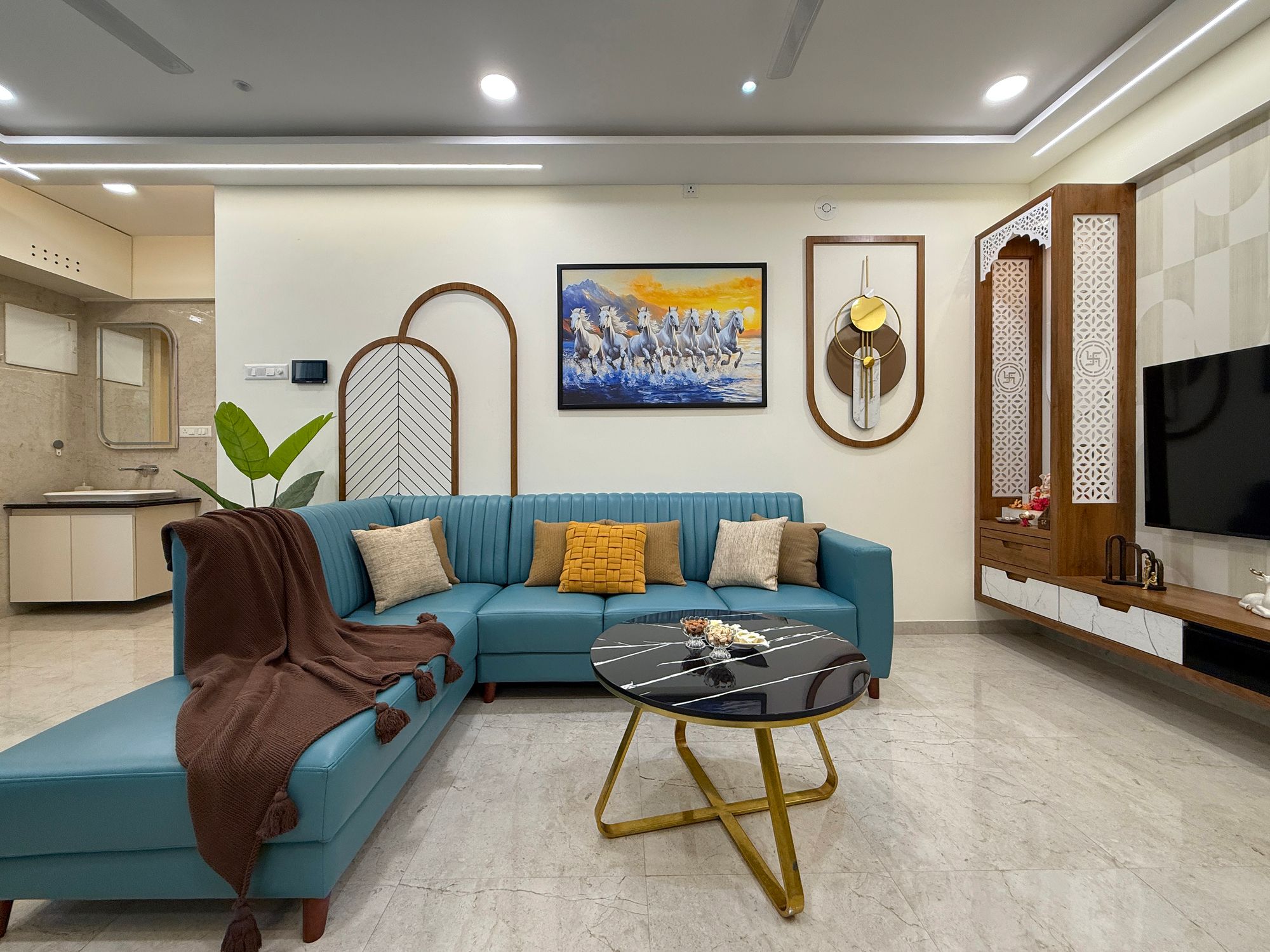
Modern Indian homes are increasingly moving away from heavy, ornate interiors toward calmer, more intentional spaces. Zen interior design offers exactly that a style rooted in simplicity, natural materials, and visual harmony. For homeowners juggling busy city life, a Zen-inspired home can feel like a quiet retreat rather than another cluttered space. This article breaks down what Zen interior design actually means, its core principles, and how it can be practically adapted for Indian apartments and houses, without turning your home into a replica of a Japanese tea room.
What Is Zen Interior Design?
Zen interior design draws from Japanese-inspired design philosophy, focused on simplicity, balance, and calmness. It emphasizes uncluttered spaces, natural materials, and a sense of harmony between furniture, light, and the surrounding environment.
Rather than following strict rules, Zen interior design is about intentional choices each piece of furniture or décor serves a purpose, nothing feels excessive, and the overall atmosphere feels restful. It isn't a religious or spiritual statement about Zen Buddhism; in interior design terms, it simply describes a calm, minimal, nature-connected aesthetic.
Key Principles of Zen Interior Design
Simplicity and Minimalism
Zen interiors reduce visual clutter by limiting decorative objects and keeping furniture selections purposeful. Every item earns its place, which naturally creates a calmer visual rhythm in the room.
Natural Materials
Natural textures are central to this style. Common materials include wood, stone, bamboo, cane, jute, cotton, linen, and terracotta. In Indian homes, teak furniture, cane chairs, and terracotta planters are easy, locally available ways to bring this warmth in.
Neutral and Earthy Colours
A Zen colour palette leans on beige, cream, off-white, warm white, taupe, brown, soft grey, and muted sage green. These earthy tones keep the space visually quiet and pair well with natural materials.
Natural Light and Soft Lighting
Sheer curtains, warm-toned bulbs, and layered lighting (ambient, task, and accent) help maintain a soft, calming glow. Maximizing daylight during the day and using warm artificial lighting in the evening supports the Zen aesthetic throughout the day.
Open and Uncluttered Spaces
Negative space the empty, breathing room between objects is just as important as the furniture itself. Clean layouts and organized, concealed storage keep surfaces clear and rooms feeling spacious.
What Are the Main Features of a Zen Interior?
A few visual markers define most Zen-inspired interiors:
- Clean, straight lines with minimal ornamentation
- Low-profile furniture, such as low beds or floor-level seating
- Natural textures on fabrics, walls, and flooring
- A restrained, neutral colour palette
- Indoor plants for a natural, living element
- Soft, warm, layered lighting
- Open, functional layouts
- Concealed and organized storage
- Simple, meaningful decorative pieces rather than excess ornamentation
How to Create Zen Interior Design in an Indian Home
Zen Living Room
Choose low-profile sofas or seating in natural fabrics like cotton or linen, paired with a wooden coffee table. Keep the colour scheme neutral, add a few potted plants like money plants or areca palms, and use warm ambient lighting instead of harsh overhead lights.
Zen Bedroom
A Zen bedroom works best with calming, muted tones, a simple wooden or low-profile bed frame, and natural cotton or linen bedding. Keep bedside tables minimal and clutter-free, and rely on soft, warm lighting for a restful mood.
Zen Kitchen
Clean cabinetry in matte or natural wood finishes, organized concealed storage, and simple countertop styling help bring Zen principles into the kitchen. Avoid overcrowding counters with appliances or décor.
Zen Interior Design for Small Indian Apartments
For 1 BHK and 2 BHK homes, space-saving and multifunctional furniture works well think foldable dining tables or storage ottomans. Light, neutral colours and strategic mirrors can visually expand compact spaces, while minimal décor keeps the apartment feeling open rather than cramped.
Zen Interior Design vs Minimalist Interior Design
Both styles value simplicity and reduced clutter, but they differ in emphasis. Minimalist design often prioritizes function and a stripped-back aesthetic, sometimes using bold contrasts like black and white. Zen interior design leans more toward warmth, natural materials, and an emotional sense of calm, favoring earthy tones over stark contrasts. Neither style is inherently better they simply express simplicity differently.
Zen Interior Design vs Japandi Interior Design
Japandi interior design blends Japanese-inspired simplicity with Scandinavian design elements, often resulting in a slightly more decorative, cozy aesthetic with functional furniture. Zen interior design, by comparison, places greater weight on calmness, natural materials, and uncluttered visual harmony, with less emphasis on Scandinavian styling cues.
Benefits of Zen Interior Design for Indian Homes
- Reduces visual clutter in busy households
- Makes better use of available space
- Creates a calm-looking, restful atmosphere
- Offers a timeless aesthetic that doesn't date quickly
- Encourages a stronger connection with natural materials
- Simplifies organization through concealed storage
- Adapts well to compact homes when planned thoughtfully
- Contributes to a peaceful, comfortable living environment
Zen Interior Design Ideas for Indian Homes
- Use a warm neutral colour palette across walls and furnishings
- Add natural wood elements like teak furniture or wooden shelving
- Choose simple, low-profile furniture over ornate pieces
- Introduce indoor plants for a natural touch
- Use soft, layered lighting instead of bright overhead lights
- Reduce unnecessary décor and keep surfaces clear
- Add natural fabrics like jute rugs or linen cushions
- Keep storage organized and concealed behind clean cabinetry
Is Zen Interior Design Suitable for Indian Homes?
Zen interior design can work well in Indian homes when adapted thoughtfully rather than copied directly from traditional Japanese interiors. Indian households often need more storage for family belongings, and compact apartments require smart space planning. Climate considerations also matter breathable natural fabrics and materials like cane and jute suit Indian weather well.
Rather than replicating a traditional Japanese home, the goal is Zen-inspired Indian interiors: calm, natural, and uncluttered, while still accommodating Indian family needs, handcrafted décor, and personally meaningful objects.
Conclusion
Zen interior design offers a practical path to calmer, more intentional homes built around natural materials, earthy colours, functional furniture, and soft lighting. For Indian homeowners, the key isn't imitating a Japanese interior exactly, but borrowing its underlying principles and shaping them around Indian lifestyles, climate, and space constraints. Done thoughtfully, a Zen-inspired home becomes a quiet, comfortable space to return to at the end of a busy day.