
Journal
What Are the Top Kitchen Renovation Trends?
4 October 2026
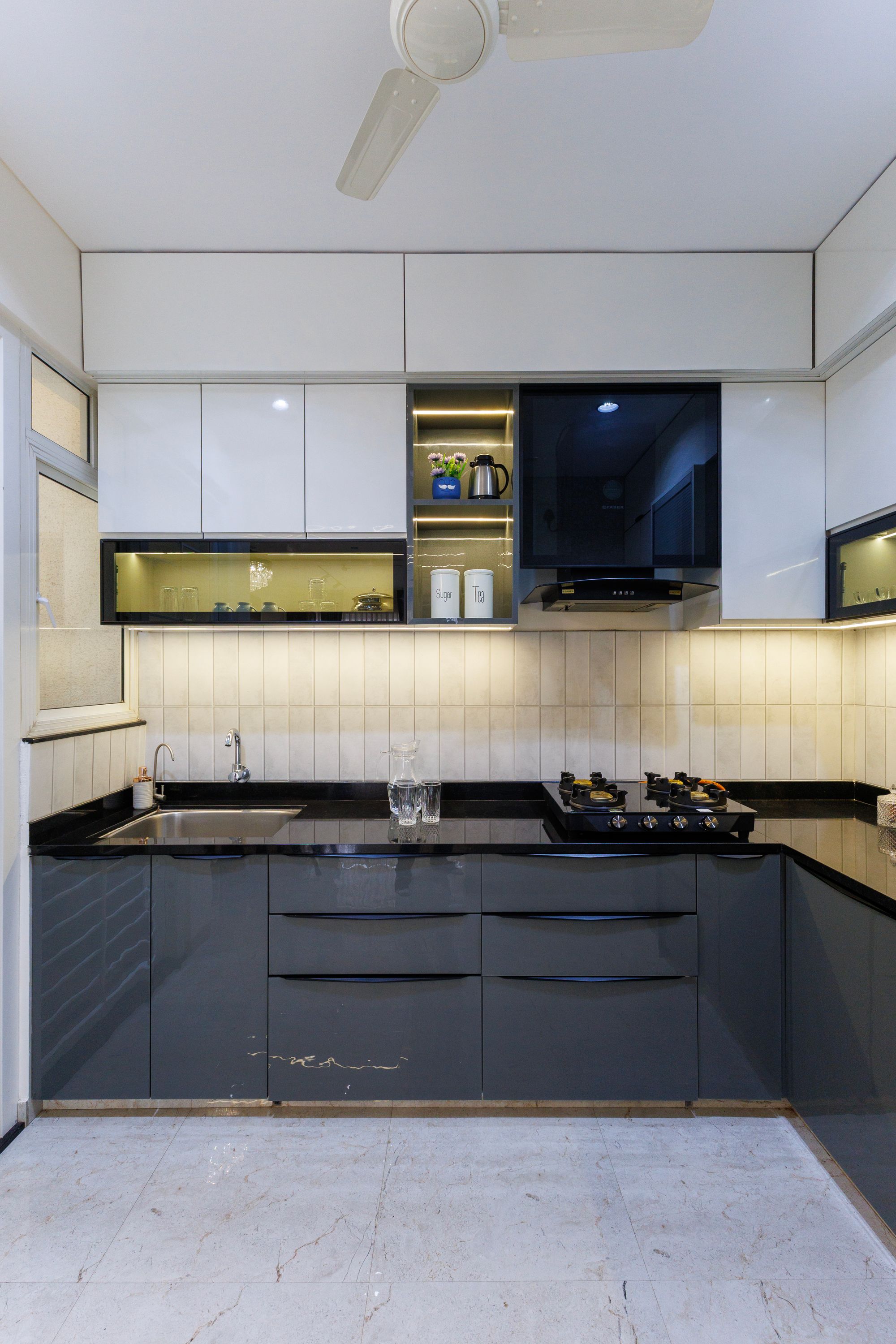
Walk into any newly renovated Indian kitchen today and you'll notice something different from five years ago. It's not just about how the space looks, but how well it handles the daily grind of Indian cooking. Kitchen renovation trends in India have shifted from copying international design magazines to solving real, local problems: too little storage, too much oil splatter, and kitchens that were never built for the way Indian families actually cook. Whether you're planning a complete modular kitchen overhaul or a smaller makeover, understanding what's genuinely working right now and why will help you renovate smarter, not just trendier.
Why Kitchen Renovation Trends Matter for Indian Homes
Indian kitchens carry a unique set of demands: daily use of oil and spices, high moisture from steaming and boiling, compact urban floor plans, and often multiple people cooking for joint or extended families. A trend that looks stunning in a Western kitchen catalog can fail quickly here if it wasn't designed with these realities in mind. That's why the most useful kitchen design trends today combine visual appeal with genuine functionality durability, ease of cleaning, and smart use of every inch of space.
Smart Storage and Space-Saving Solutions
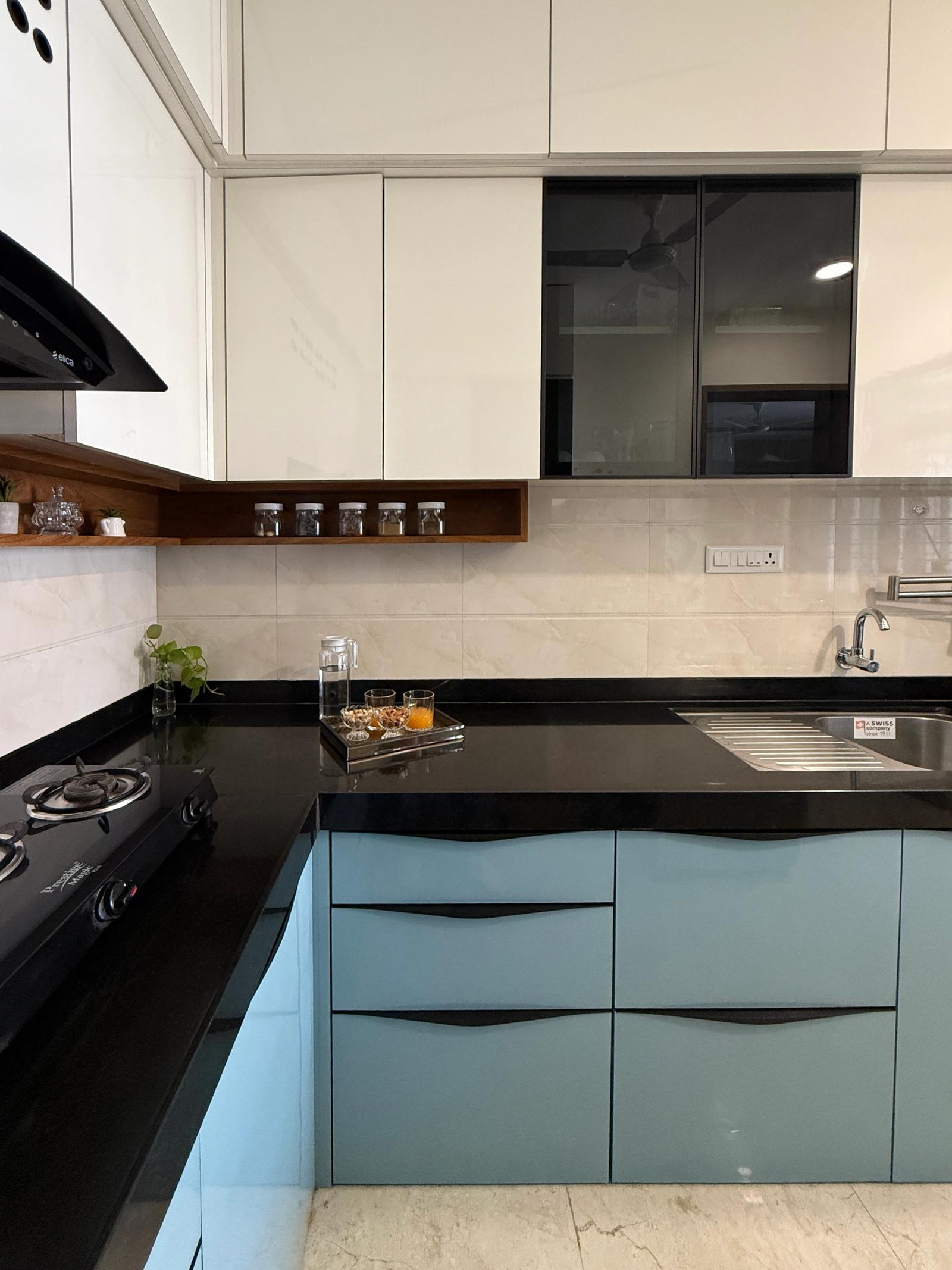
Smart storage remains the most requested upgrade in Indian kitchen renovations, and for good reason. Pull-out pantry units, deep drawers instead of shelves, corner storage solutions, and tall storage units let homeowners organize everything from spice boxes to bulk grocery sacks without cluttering countertops. In compact apartment kitchens, vertical storage tall cabinets that go up to the ceiling makes a noticeable difference. For joint families managing large volumes of cookware, dedicated drawer organizers for lids, ladles, and tiffins reduce daily frustration far more than cosmetic changes do.
Matte and Textured Kitchen Finishes
Matte laminates and textured, wood-inspired finishes have overtaken high-gloss surfaces in popularity. Beyond aesthetics, matte finishes hide fingerprints and minor scratches better than glossy ones, which matters in a kitchen that sees daily use. Textured finishes also add visual depth without requiring elaborate hardware or accessories, keeping the overall look clean and contemporary.
Handleless and Minimalist Cabinets
Handleless cabinets, opened via push-to-open mechanisms or recessed grooves, are gaining traction because they create a streamlined, clutter-free appearance. They're particularly practical in smaller kitchens, where protruding handles can make narrow walkways feel tighter. The minimalist profile also makes cleaning easier, since there are fewer edges for oil and dust to settle into.
Warm and Earthy Colour Palettes
Sage green, olive, terracotta, beige, warm grey, and natural wood tones are replacing the stark white-and-chrome look of a decade ago. These earthy colours bring warmth without overwhelming a small space. The key is balance. Pairing a deeper earthy tone on lower cabinets with lighter neutrals above keeps the kitchen feeling open rather than heavy, especially important in kitchens with limited natural light.
Smart and Integrated Kitchen Appliances
Built-in ovens, integrated refrigerators, dishwashers, and induction cooktops are increasingly common in premium and mid-range renovations alike. Integrated appliances give kitchens a cleaner, more cohesive appearance, while energy-efficient models help offset the higher running costs of daily Indian cooking. That said, built-in appliances require accurate planning during the renovation stage, so it's worth finalizing appliance choices before cabinet work begins.
Better Kitchen Lighting
Lighting is one of the most underrated kitchen renovation ideas. Task lighting over the cooking and prep zones, under-cabinet lighting to eliminate shadows on countertops, and ambient or pendant lighting for the overall space work together as layered lighting. This isn't just about appearance. Proper task lighting genuinely reduces cooking accidents and eye strain during evening meal prep.
Durable and Easy-to-Maintain Materials
Given the heat, oil, and spice exposure typical of Indian kitchens, material durability deserves as much attention as design. Quartz countertops resist staining and scratching better than many natural stones, while easy-to-clean laminate or acrylic surfaces on cabinets hold up well against daily wiping. A durable backsplash tile, quartz, or solid surface protects walls directly behind the stove, where splatters are heaviest.
Semi-Open and Flexible Kitchen Layouts
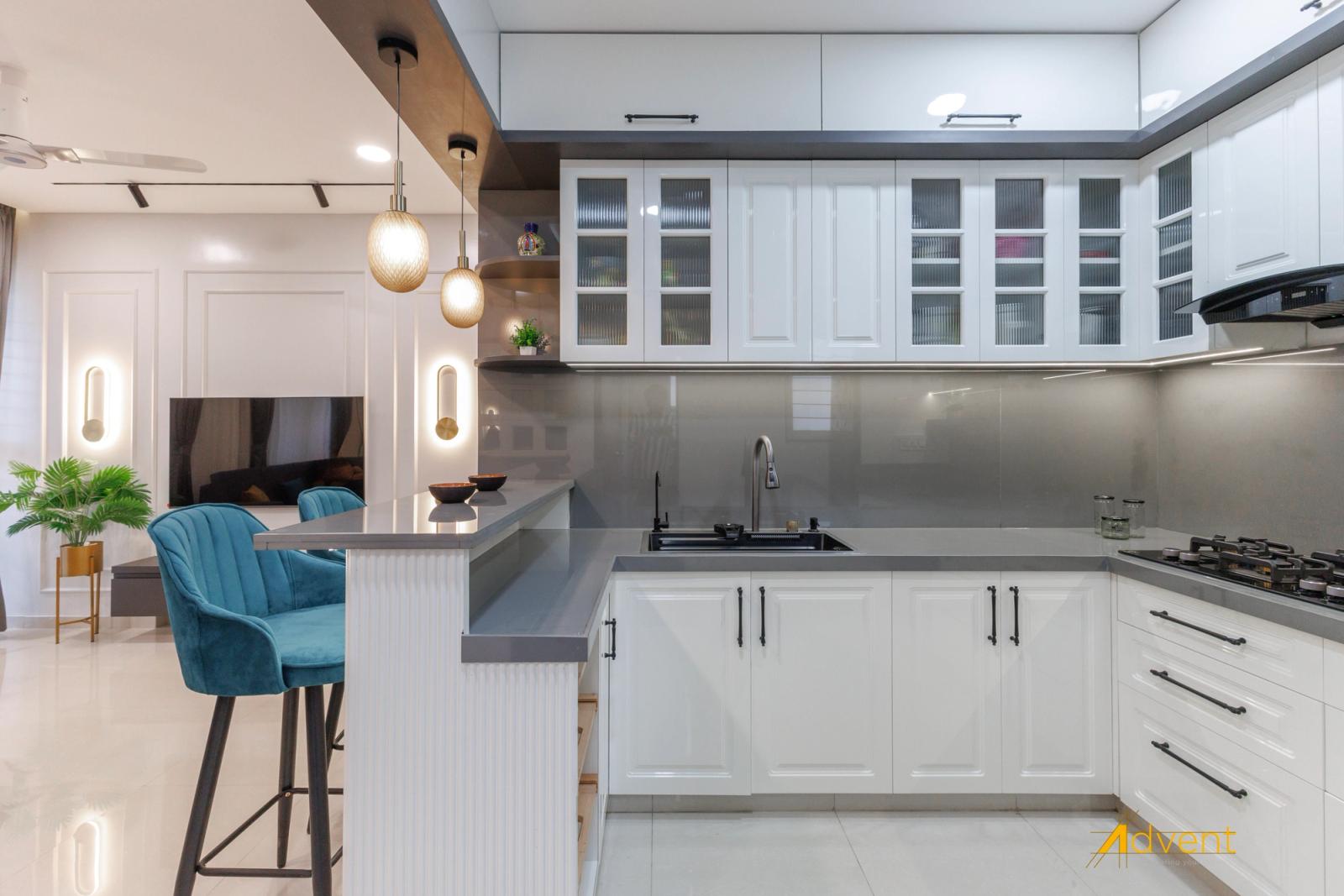
Fully open kitchens work well for some homes, but many Indian households prefer semi-open layouts, a partial partition, a breakfast counter, or a peninsula that separates cooking from living areas while still allowing interaction. This balances ventilation and odor control (important given the intensity of Indian cooking) with the social, connected feel that open kitchens offer. L-shaped, U-shaped, and parallel kitchen layouts remain the most practical choices for typical apartment dimensions, depending on available square footage.
Sustainable and Natural Kitchen Design
Long-term thinking is becoming part of kitchen renovation decisions. Choosing durable materials that won't need replacement in a few years, selecting energy-efficient appliances, and using natural textures like wood veneer or stone-effect finishes all contribute to a kitchen that ages well rather than looking dated quickly.
Conclusion
The kitchen renovation trends shaping Indian homes today go beyond appearance; they're about solving everyday cooking challenges with smarter storage, durable materials, and layouts suited to real family life. Before choosing a direction, weigh your available space, cooking habits, storage needs, maintenance tolerance, and budget against long-term usability. A well-planned renovation doesn't need to follow every trend, it needs to follow the ones that actually fit how your kitchen gets used. If you're ready to plan your renovation, consider consulting a kitchen designer who understands these India-specific requirements.